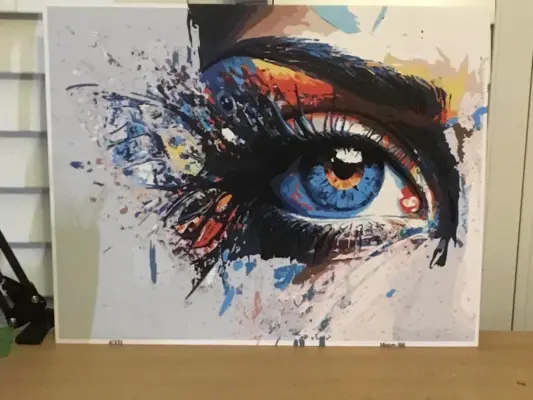
It’s easier once you begin
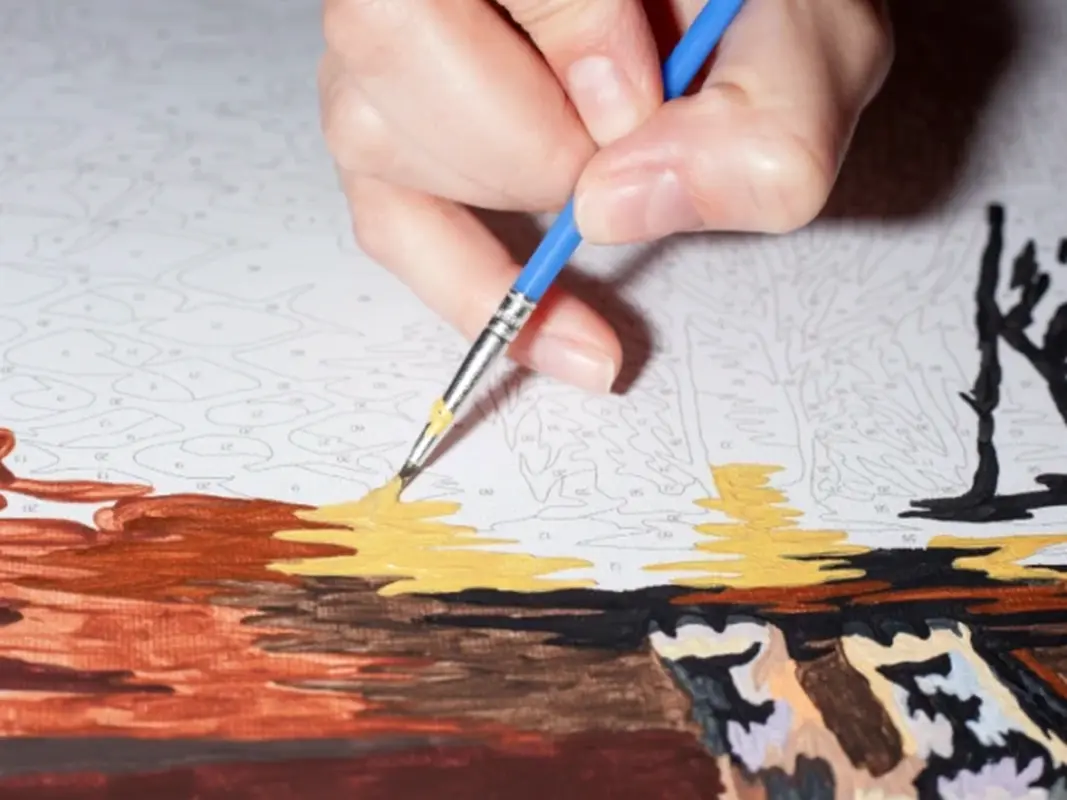
When people open a paint by numbers kit for the first time, there’s usually a short moment of hesitation. The canvas looks detailed, the numbers are small, and it’s not immediately obvious where to begin.
Then you pick one area and start.
After a few minutes, it becomes clear that you don’t need to understand the whole painting at once. You just follow the numbers, one section at a time, and the rest takes care of itself.
Everything makes sense after a moment
At first glance, the kit might feel a bit unfamiliar.
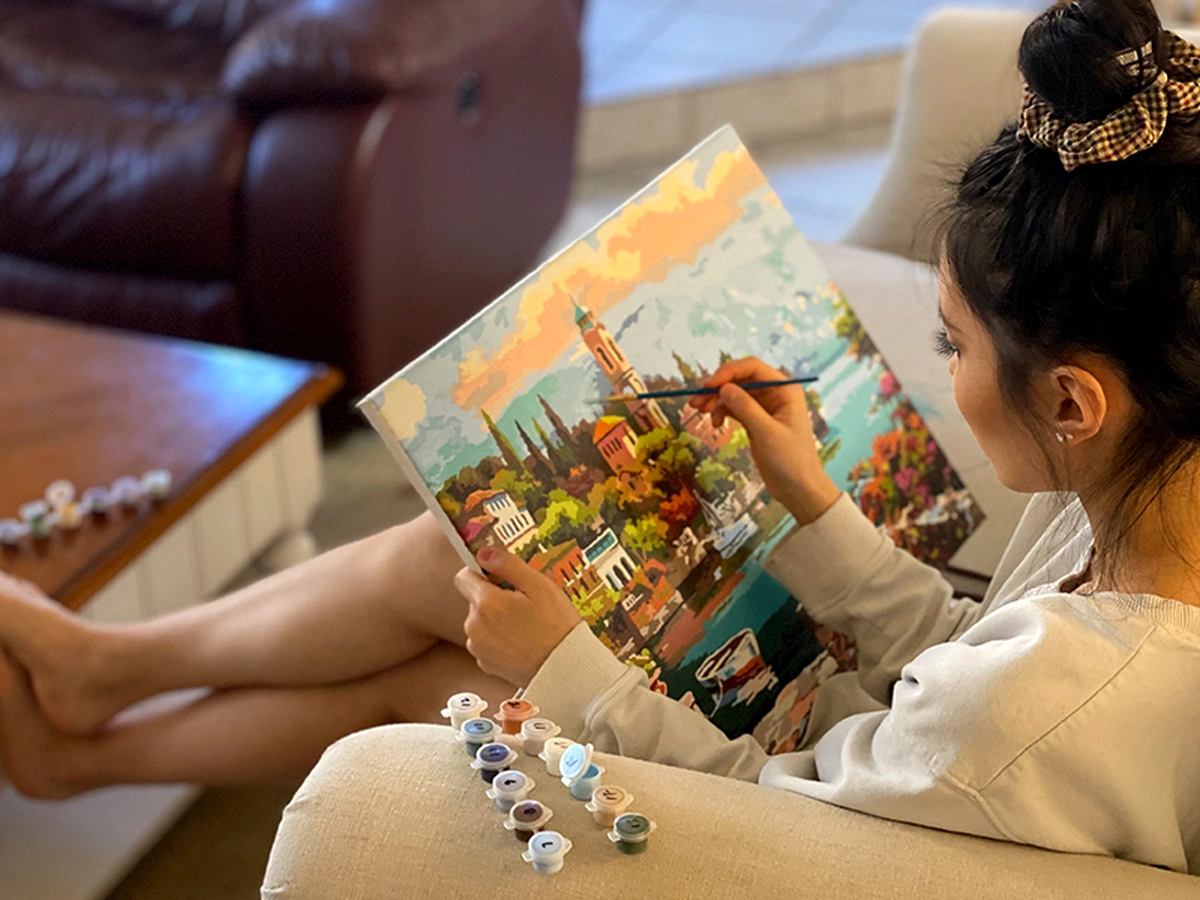
But once you go through it, it’s quite direct. Each paint pot is numbered, and each number matches a section on the canvas. The brushes are there to help you control how much paint you use, especially in smaller areas.
It doesn’t take long before everything starts to feel consistent.
Keep the paint under control
One thing beginners notice quickly is that using less paint often gives better results.
A small amount on the brush is easier to guide, especially around edges. If the paint feels too thick, a tiny drop of water can help, but only a small amount is needed.
Rinsing the brush between colors also makes a difference. It keeps the colors cleaner and the strokes more precise.
Early mistakes don’t matter much
Almost everyone makes a few small mistakes at the beginning.
Painting outside the lines, mixing up a number, or applying too much paint happens quite often. It can feel frustrating at first, but it usually doesn’t affect the final result as much as it seems.
Once the paint dries, most areas can be corrected by painting over them carefully.
A slower pace works better
There’s no real benefit in rushing through a paint by numbers canvas.
Most people end up enjoying it more when they treat it as something they can return to over time. A few sections per session is enough. Progress builds gradually without needing long sessions.
That slower pace tends to make the whole experience feel more relaxed.